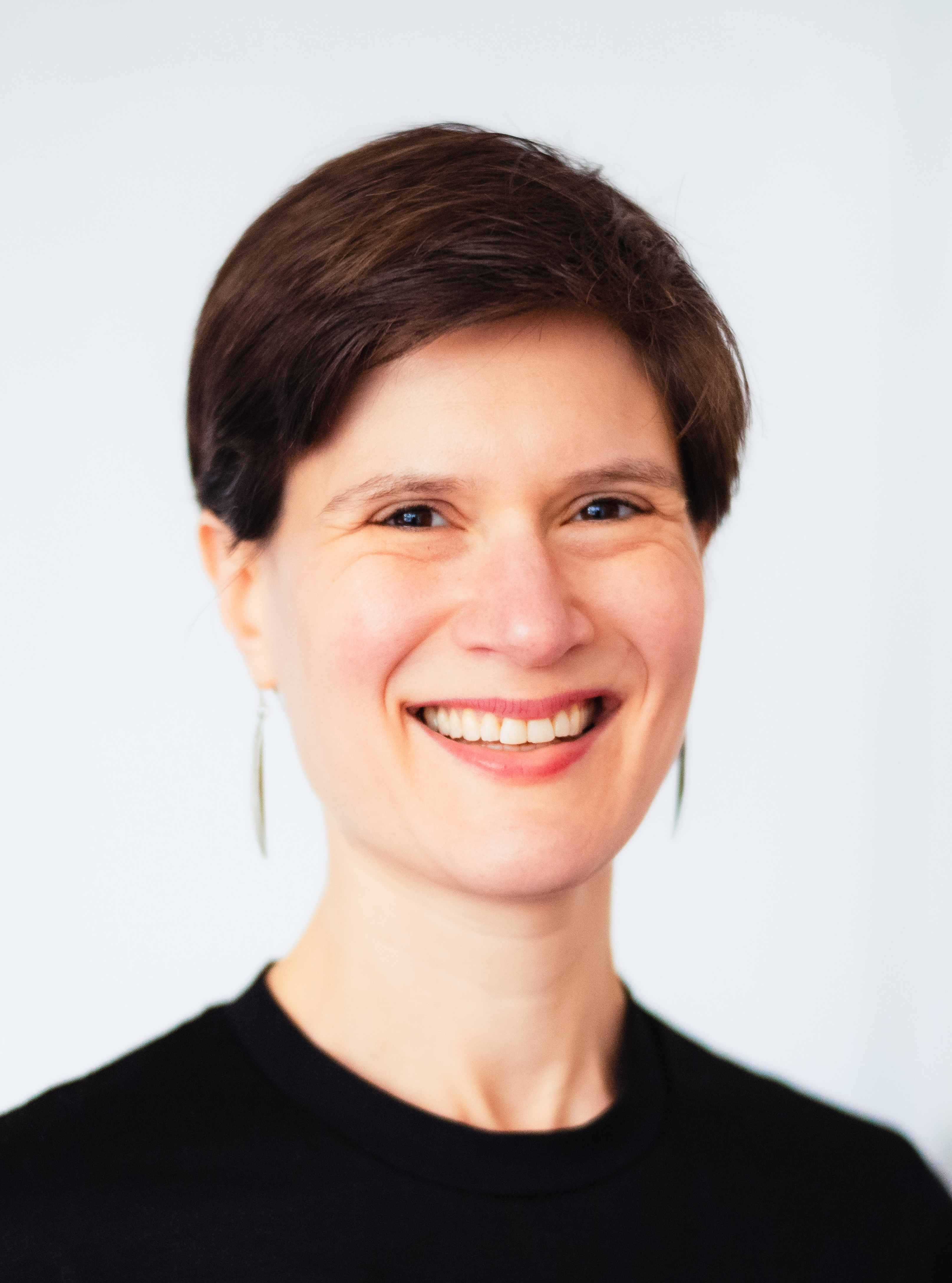
Ella Kaye, Senior Research Software Engineer at the University of Warwick and one of the organizers of the R Contributors project (also on Meetup), recently spoke with the R Consortium about her path into the R community and her efforts to make contributing to base R more accessible and inclusive. She shared insights from organizing R Developer Days, using GitHub to lower barriers for new contributors, learning with joy while developing the R package aperol, and fostering community with rainbowR.
Please share about your background and involvement with the RUGS group.
I am currently a Senior Research Software Engineer (RSE) at the University of Warwick in the UK. However, my career path to this point has been long and windy, via mathematics, secondary school teaching, market research, and statistics. I was first introduced to R while pursuing an MSc in Applied Statistics, where I learned to use it in an academic context for statistical analysis. Over time, I found that I enjoyed software development more than statistics itself, which led to my transition into research software engineering.
During the first year of my PhD program, I developed my first R package, BradleyTerryScalable, for fitting the Bradley-Terry model to pair-wise comparison data. This experience ignited my passion for R package development. In 2017, I presented the package at the useR! conference in Brussels. Just before then, I’d also learnt about R-Ladies and met some members of the London chapter. At the conference, I fully immersed myself in the R community and felt a great sense of camaraderie and a real joy of belonging.
At Warwick, I’m on the committee of the Warwick R User Group, but for this interview, I’d prefer to talk about the R Contributors project. This initiative is primarily driven by Dr. Heather Turner, along with many other contributors. I’m employed on Heather’s fellowship grant, “Sustainability and Equality, Diversity, and Inclusion (EDI) in the R project.” The objective of this fellowship is to foster a larger and more diverse community of contributors to base R.
We organize R Developer Days, which bring together a wide range of contributors, from members of R Core to those who’ve never contributed to base R before. In 2023, we held a three-day R Sprint at Warwick. Participants came from all over the world and represented various groups within the R community and the broader R world. It was a fantastic experience that led to several patches in the R codebase. We also run monthly R contributor office hours and a C Study Group for R contributors.

R Project Sprint, University of Warwick, 2023
Heather and I are very excited because, along with a large team of co-leads, we were recently awarded a grant of £500k from the Research Software Maintenance Fund to run a project over the next two years: “Enabling the Next Generation of Contributors to R”. You can read more about what this work will entail in this blog post.
Do you recommend any techniques for planning for or during the event? (Github, Zoom, other.) Can these techniques be used to make your group more inclusive to people who cannot attend physical events in the future?
At the R Dev Days, we’re doing something a bit different and more specific than general R User Group meetings. What makes the R Dev Days successful is the diverse range of problems and opportunities for people to come together and address bugs in the R codebase.
Success hinges on identifying suitable bugs to work on, as many listed on Bugzilla may exceed the technical capabilities of the participants or require buy-in from R Core members. A lot of work goes into reviewing bugs on Bugzilla beforehand to select those that are suitable for a Dev Day, ensuring they cater to varying levels of experience and technical skills.
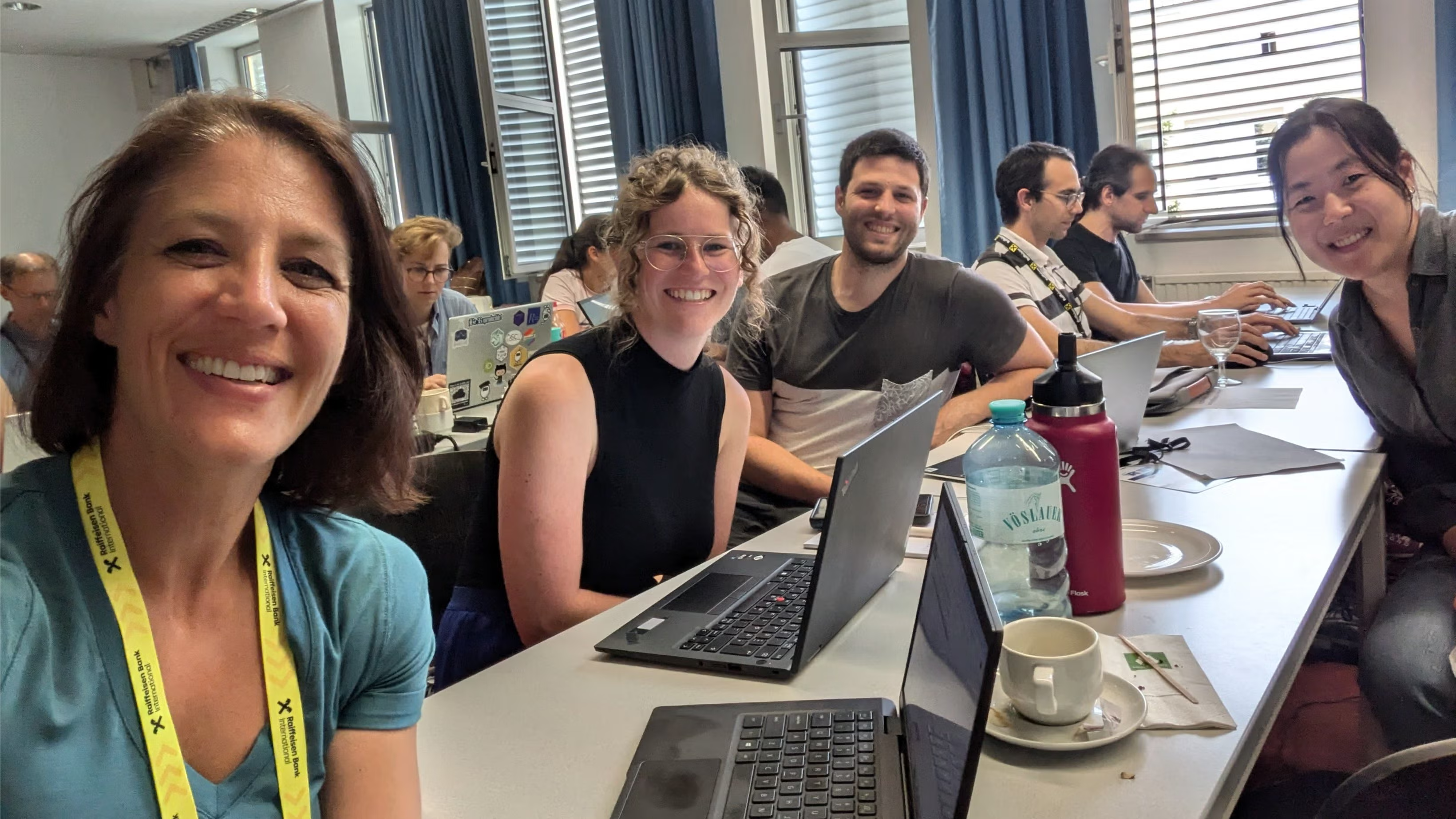
R Contributors at R Dev Day @ PLUS 2024
We aim to cover a range of issues, including documentation improvements, statistical bugs, or infrastructure. Additionally, there is significant work happening to translate R’s error messages into various languages. During R Dev Days, attendees who speak languages other than English can participate by working on translating messages through a web-based translation interface.
For R Dev Days, we have a GitHub repo to keep track of ideas and tasks, making use of discussions, issues and labels. This has a lower barrier-to-entry than Bugzilla, and makes collaboration easier and more familiar. Those not able to attend in-person can also engage with these issues.
Overall, these preparations and strategies contribute to a more engaging and productive experience for everyone involved.