The R Consortium supports the global community of users, maintainers, and developers of R, a fast-growing language for statistical computing and graphics. In a world where data is increasingly at the heart of evidence-based decision-making, the R language is empowering professionals in new and inspiring ways. A recent capacity-building initiative in Nepal, organized by the joint effort of Forest Research and Training Center, Koshi Province and EnviroDataR Group Nepal, exemplifies this transformation, showcasing how R is becoming an essential tool for sustainable forest management.
The Challenge: Turning Data into Decisions
In recent years, the forestry and environment sectors have been undergoing a rapid digital transformation. Officials and professionals at government offices, particularly those in Divisional Forests Offices, often have to handle large, complex datasets for tasks such as forest inventories, biodiversity monitoring, carbon stock estimation, and national greenhouse gas (GHG) reporting.
However, many of these professionals have faced significant challenges. Traditional approaches, relying on spreadsheets and proprietary software, often lack the flexibility and advanced analytical capabilities needed to manage and analyze this complex data effectively. This has created a critical gap between having the data and being able to use it to inform evidence-based decisions. R programming has emerged as a solution, offering an open-source, versatile, and reproducible alternative.
A Transformative Learning Experience
To address this, the Forest Research and Training Center (FRTC) in Koshi Province organized a seven-day training program on R programming. The goal was to equip officials with skills to not only use R but also to transform their approach to data. Participants were taught to manage, process, and visualize datasets while also emphasizing reproducibility, transparency, and modern analytical practices.
The training covered key areas essential for forestry professionals:
- Foundational knowledge of R syntax and data structures.
- Practical data manipulation using packages like `dplyr`.
- Effective data visualization with `ggplot2`.
- Statistical tests, both parametric and non-parametric.
- Geospatial data handling and basic mapping.
A key strength of the program was its interactive and technology-enabled methodology, which included pre- and post-test surveys via Google Forms and daily quizzes on Kahoot.com to reinforce learning and measure progress. This hands-on approach directly benefited government officials by providing them with the tools to solve the difficulties they face in their daily work.
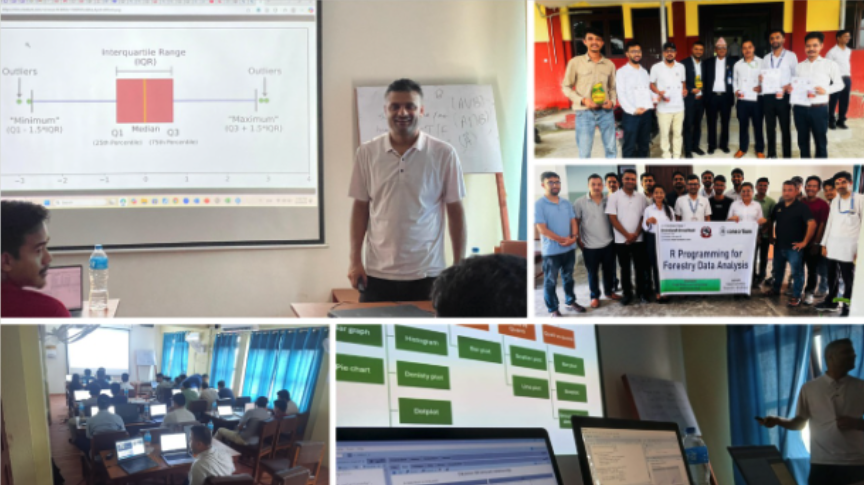 Figure 1: Glimpse of Training Sessions and Closing
Outcomes and Acknowledgments
The training was a resounding success. Participants from various districts of Koshi Province demonstrated a measurable improvement in their skills, becoming proficient in using R for real-world tasks. By the end of the program, officials were capable of applying reproducible, transparent workflows for tree data collection, keeping, and processing in R. This empowered them to conduct required data analysis within the Ministry of Forests and pursue their academic careers with enhanced data analysis skills.
This initiative has contributed to building a skilled cadre of officials, strengthening Nepal’s national capacity for data-driven forestry decision making. We would like to extend our sincere gratitude to all who contributed to the success of this program:
- The Forest Research and Training Center for its leadership and vision in organizing this vital training.
- The Divisional Forests Offices and Ministry of Forests and Environments for their enthusiastic participation and support.
- The R Consortium community, whose continuous work in developing and maintaining open-source R packages make such transformative projects possible worldwide.
- Dr. Shiva Khanal, whose dedication as a co-organizer was instrumental to the success of this initiative.
This initiative in Nepal demonstrates the power of the R language to transform research and empower a new generation of data-driven professionals. It shows that with the right tools and training, we can overcome challenges and build a more sustainable future, one line of code at a time.